Kyrgyzstan is a hidden gem quickly gaining popularity among adventure travelers. While hikers enjoy thousands of spectacular mountain treks, others come to explore Skazka Canyon and pristine alpine lakes. Honestly, I wanted to keep this untouched paradise to myself. However, if this guide helps you travel responsibly and support locals through traditional homestays, sharing our journey is worth it. Here is my ultimate step-by-step Kyrgyzstan travel guide and 7-day itinerary.
Why visit Kyrgyzstan?
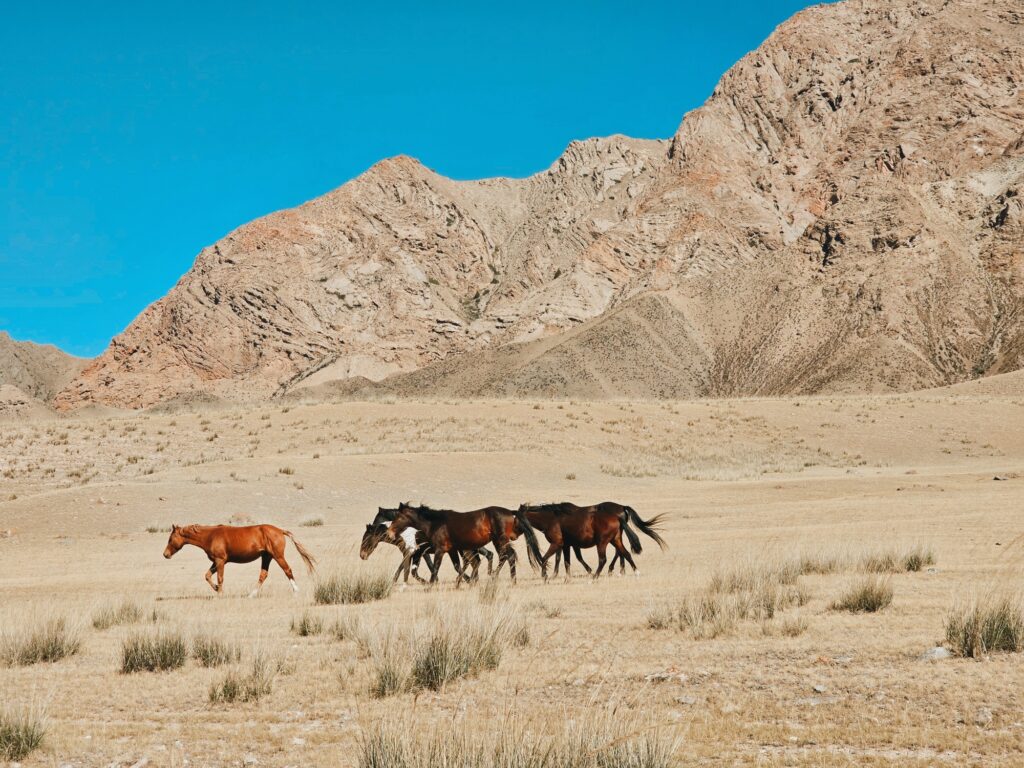
I’ll be honest: Kyrgyzstan isn’t for everyone. The infrastructure is underdeveloped compared to Europe or the US. English is rarely spoken, and there is little to do except enjoy the breathtaking scenery. But that is exactly the draw. Kyrgyzstan is about getting lost in nature, watching wild horses roam freely, crossing rivers (and occasionally getting stuck), and hiking to some of the world’s most beautiful spots. If you prefer 5-star hotels and predictable scenarios, Kyrgyzstan might not be for you just yet.
How Many Days to Spend in Kyrgyzstan?
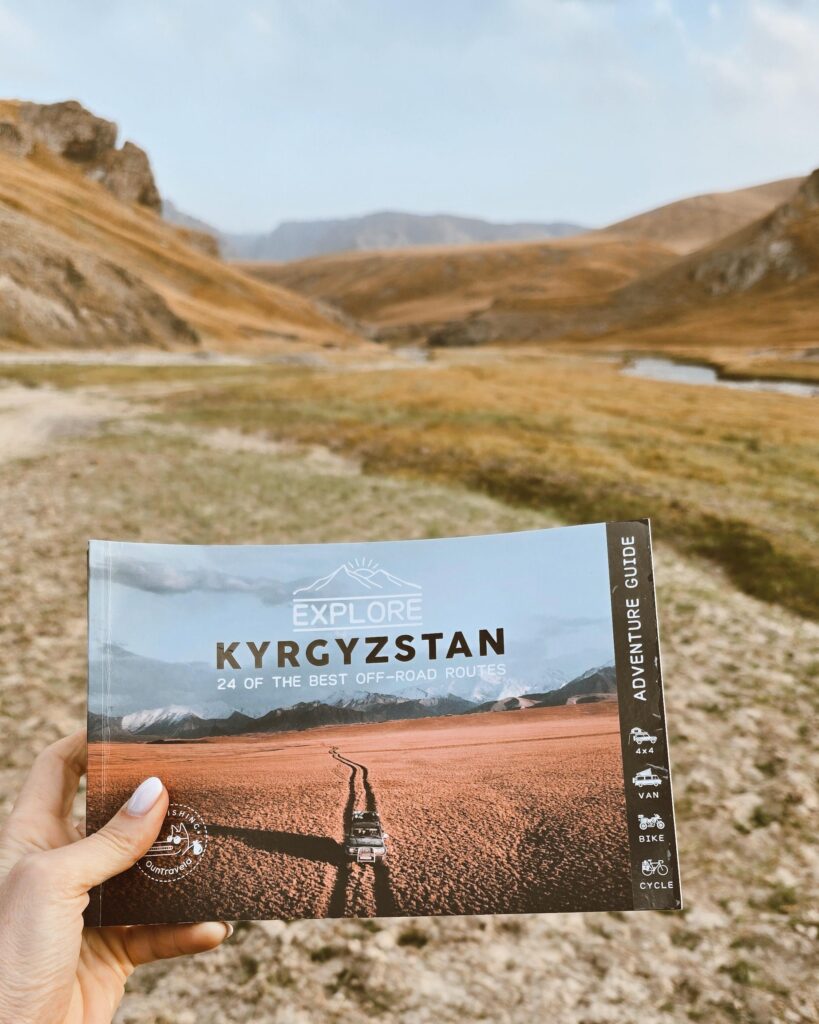
Kyrgyzstan might seem small on the map, but bad road conditions mean driving between places can take a whole day – especially when heading to remote areas. Most people combine a few regions into a 7 to 10-day trip. To plan this, I highly recommend the book Discover Kyrgyzstan for off-the-beaten-path research. While that book gives general details and suggests routes, my blog post provides a first-timer’s perspective with real-life hints from someone who was recently in your shoes.
Best Time to Visit Kyrgyzstan
For most travelers, July to early September is the best time to visit Kyrgyzstan. Outside this window, heavy snow makes the best remote spots completely inaccessible. We visited Kyrgyzstan in early September 2025, when lower areas like Bishkek were still quite hot. Walking through the dusty capital wasn’t very pleasant, and I wouldn’t want to experience it in the peak summer heat. However, September can get cold, with a high chance of snow in mountain passes. This is why you must stay flexible. We changed our itinerary last minute to avoid rain in Karakol and headed towards Naryn instead.
How to travel around Kyrgyzstan – Renting a 4 x 4
Public transport, like minibuses »marshrutkas« and shared taxis, is cheap and great for traveling between major cities. However, they operate on no fixed schedule and will not take you to remote mountain locations.
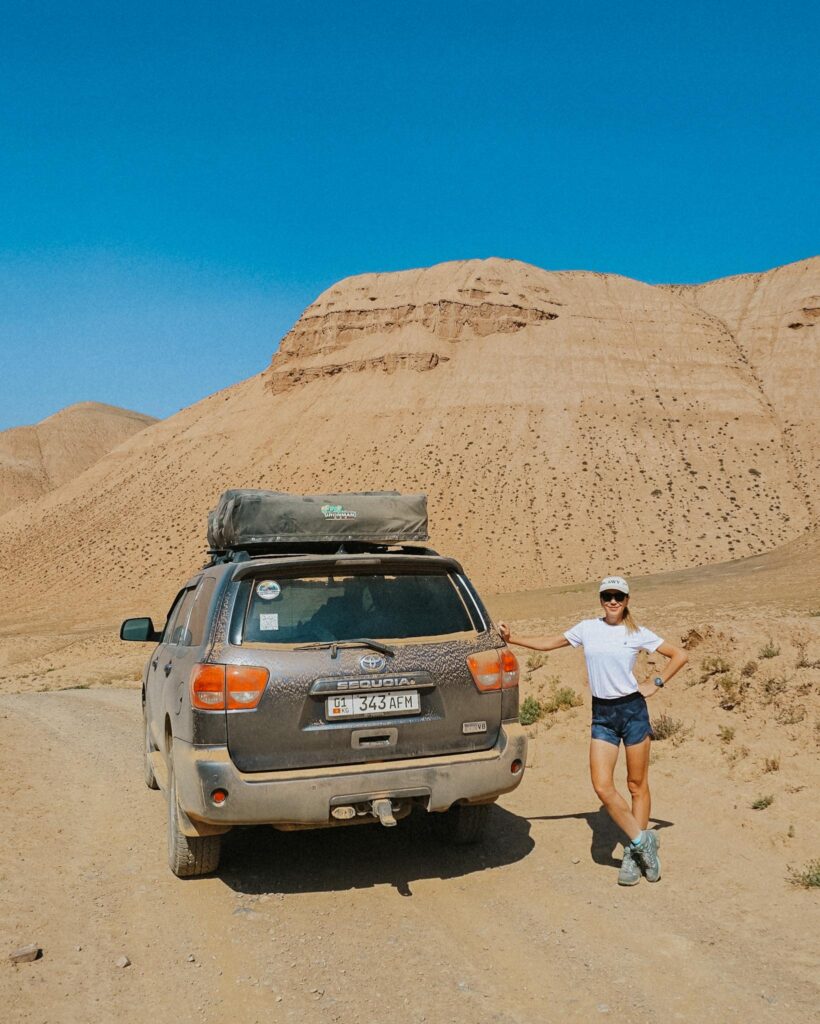
If you’re at least a bit adventurous and want to see the country’s hidden gems, you shouldn’t visit Kyrgyzstan without renting a car. Exploring this beautiful destination on your own is where the real fun begins. While you can always join a tour group or navigate public transport, renting a vehicle gives you ultimate freedom.
However, a regular car will limit you to touristy spots around Lake Issyk-Kul. If you want to follow our 7-day itinerary, cross high mountain passes, and tackle rough dirt roads, you’ll definitely need a 4×4 WD. I’ve covered all you need to know about renting a 4×4 in Kyrgyzstan in this post.
Offline Maps & GPS Tips
To navigate successfully, I highly recommend buying the official GPS coordinates from Ountravela. Download Maps.me app, load the data, and be patient. The app takes some getting used to, but once you figure it out, it becomes your best friend in Kyrgyzstan.
Note that driving time estimates in the app are highly unreliable. Maps.me might predict a 5-hour ride, but if you are a skilled driver, you will likely arrive much faster. It is possible these official routes count the longest possible time to accommodate drivers of all skill levels or include multiple scenic stops. Either way, you’ll quickly find your own pace after your first route.
Where to stay in Kyrgyzstan
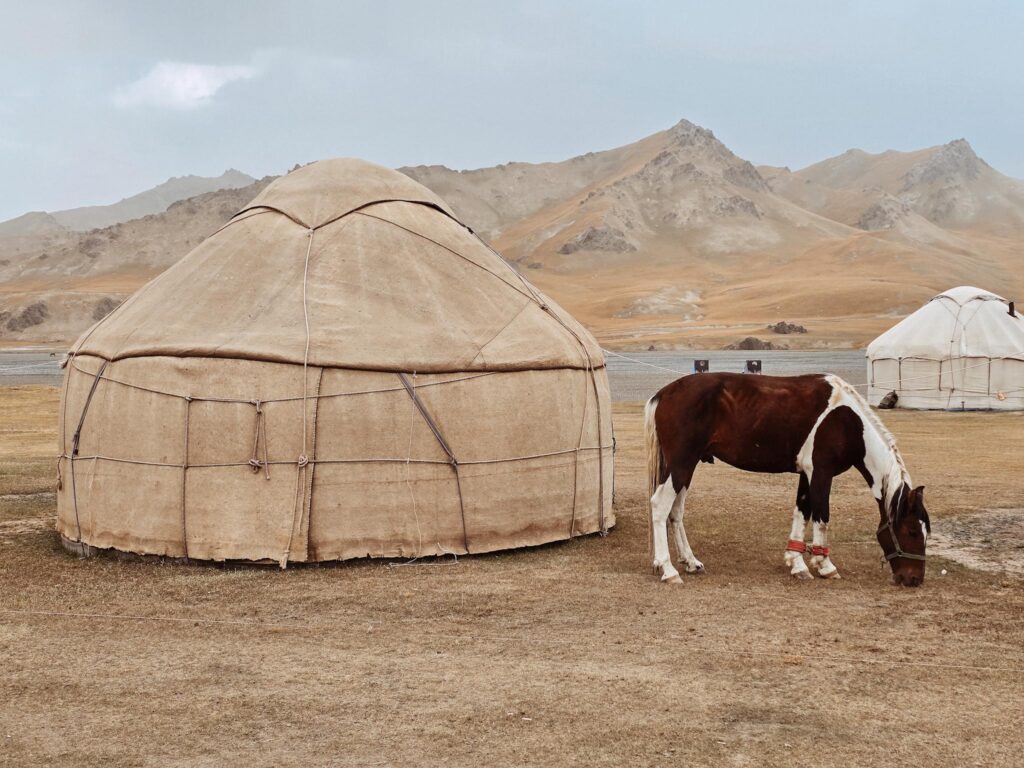
Bishkek is packed with hotels offering excellent service with breakfast for as low as 50 € per night. However, accommodation in the rest of the country is trickier. During the peak season, be prepared to stay in yurts, especially in the remote areas. Even better, bring a tent or rent a vehicle with a rooftop tent so you can camp wherever you want. Wild camping is permitted almost everywhere, and it provided some of the best nights of our journey. I have shared specific accommodation details day-by-day in our 7-day itinerary.
Kyrgyzstan Border Permits
One of the most annoying parts of planning a trip to Kyrgyzstan is dealing with border permits. Simply put, you need a special border permit to visit areas close to the Chinese border, which hold some of the most beautiful spots.
For our 7-day itinerary, we only needed the Naryn region border permit. Standard processing takes 6 days (25 €), but we used the 2-day express service (40 €) for our last-minute change. We ordered online on our way to Naryn but missed the fine print: pickup was in Bishkek! Fortunately, I messaged them on WhatsApp, and they posted the physical document to Naryn for next-morning pickup. Note that military checkpoints require a physically stamped document, not a digital scan.
Our Spontaneous 7-Day Itinerary
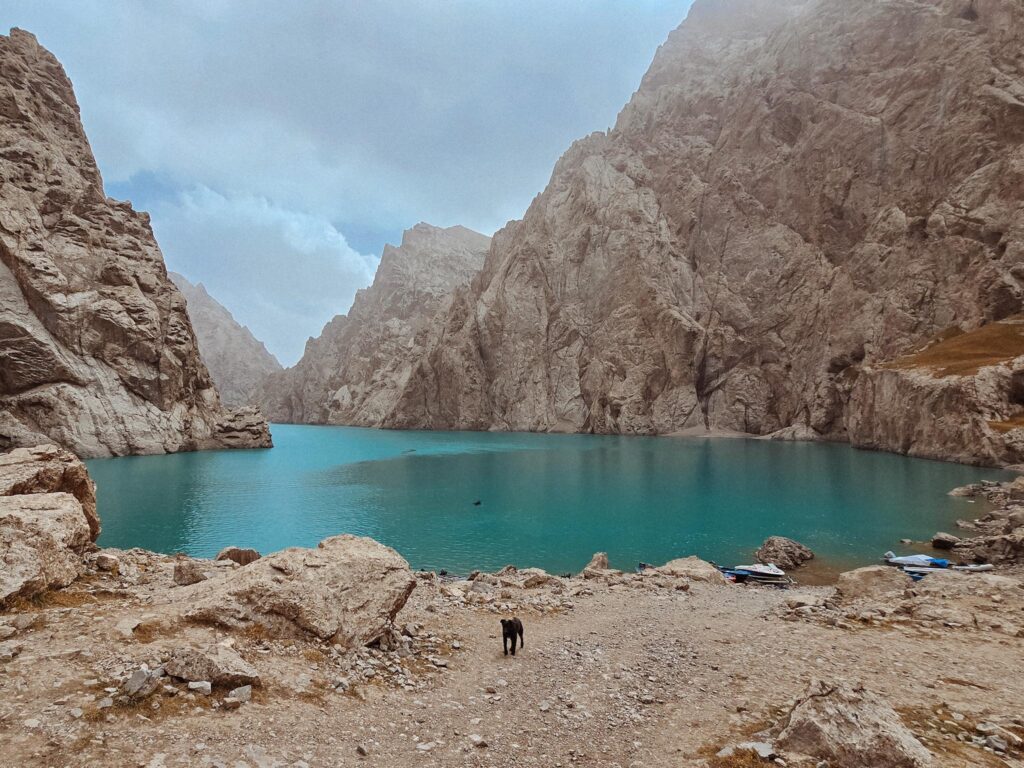
We opted for a 7-day trip to test this travel style, planning a basic route and leaving the rest for later. Our original plan was to explore the Issyk-Kul region and hike to Ala-Kul Lake. However, a terrible rain forecast forced us to switch to our second choice: the Naryn region.
Kyrgyzstan is vast, so leaving room for spontaneity was a smart decision. The weather turned out perfect, and we learned so much about sleeping in a rooftop tent and navigating the rough roads during this unforgettable week. Here is our detailed 7-day Kyrgyzstan itinerary.
What to Pack for a Kyrgyzstan Road Trip
The most crucial rule is to pack layers. While days are pleasant, nights drop close to freezing, and windy, cloudy days can get very cold. Bring merino wool socks, gloves, windproof jackets, and a warm hat.
For camping, it depends on what your 4×4 rooftop-tented vehicle includes. Our option provided sleeping bags, camp chairs, a gas stove, and cooking gear. If you prefer to bring your own gear, ensure your sleeping bag can handle near-freezing mountain temperatures. A reliable headlamp is also essential for night camping and early morning hikes. I’ll write a post with the essential checklist for a self-drive in Kyrgyzstan soon.
Budget-Friendly Basics: Food, Fuel & Fees
Nomadic Culture & Meat-Lover’s Cuisine
The heart of Kyrgyzstan lies in its nomadic culture. While locals still live in traditional yurts, many yurt camps around major lakes are built just for tourists. The food is heavily meat-centric to fuel mountain life, though picky eaters can find vegetables and delicious local apples. My only challenge was finding European whole grain bread! Inside yurts, you are usually served boorsok (fried dough) and fresh tea. For authentic local specialties, try shashlik (skewered grilled meat), lagman noodles, and beshbarmak—the ultimate nomadic dish.
Other Useful information and Essential Travel Tips
- Visa: Most travelers enter Kyrgyzstan visa-free for up to 30 days.
- Passport Validity: Ensure your passport is valid for 6 months beyond your departure date.
- Travel Insurance: A solid policy covering local medical expenses and repatriation is non-negotiable. Kyrgyzstan adventures carry risks of road accidents or severe stomach issues, and medical facilities outside Bishkek are extremely basic.
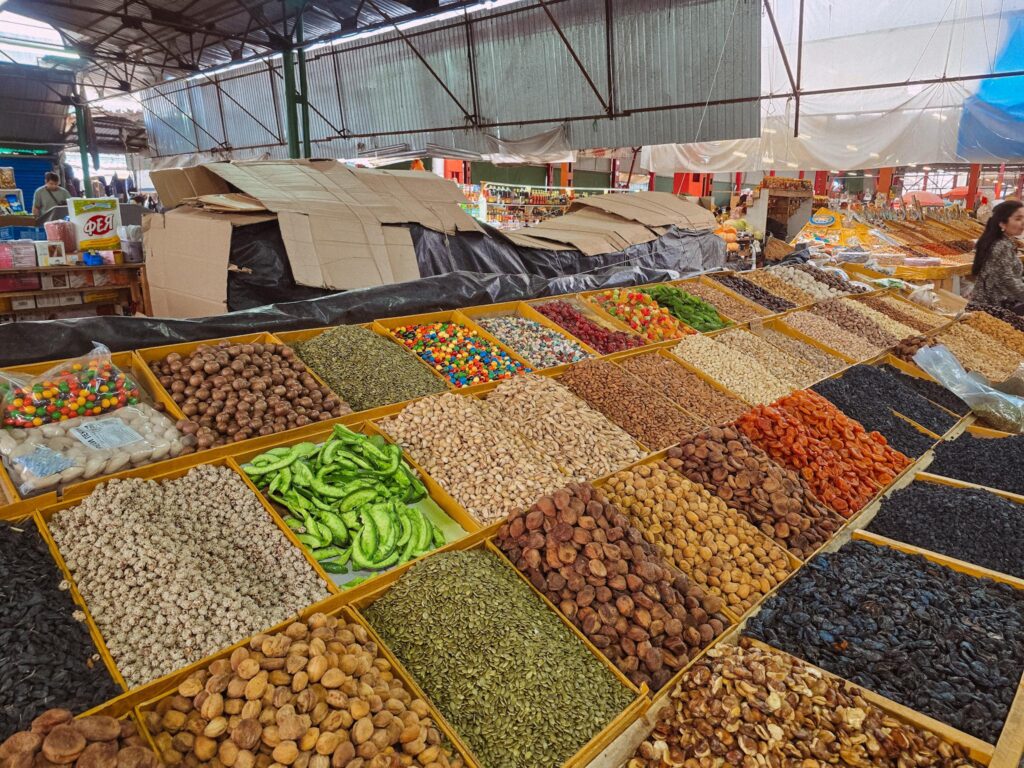
- Cash is king: Credit cards work only in major hotels and restaurants. You’ll need cash (Kyrgyzstani Som) for everything else, including yurt stays, gas stations, and local markets. ATMs are practically nonexistent in remote villages.
- Fuel Strategy: Top up your tank at every open petrol station. Fuel quality and availability vary wildly in the mountains, and you never know how far the next station is. Stick to reputable chains like Gazprom or Red Petroleum.
- SIM Card & Data: Pick up a cheap local SIM card at Bishkek Airport. Alternatively, save time and purchase an online eSIM via Airalo before you land – use a referral code ANDA5890 for a €3 discount if you are a new user!
- Offline Google Translate: English is rarely spoken outside the capital. Download the Russian and Kyrgyz language packs for offline use. This is a lifesaver when communicating with yurt hosts or navigating checkpoints.
Final Thoughts: We’ll Be Back!
Kyrgyzstan is a country that challenges you with rugged roads but rewards you with incredible landscapes. If you’re looking for an authentic adventure, pack your layers, rent a 4×4, and go. For more behind-the-scenes moments, head over to my Instagram! Follow along and check out my Kyrgyzstan Instagram Highlights to see the full adventure live. Plus, you will soon be able to follow our next Kyrgyzstan adventure, because we are definitely going back!