Sri Lanka was never high on my bucket list — partly because it lacks the white sandy beaches of the Maldives, and partly because it felt like “everyone had already been there.” But with just a 2-hour flight from Mumbai, and since I was already in India for work, it was the perfect chance to add my 54th country to the map. What began as a spontaneous trip turned into an unforgettable Sri Lanka tuk-tuk self-drive road trip. After exploring the island by tuk tuk in 2025, we were so hooked that we returned in 2026 to add two more must-visit spots. In this post, I share our Sri Lanka tuk-tuk itinerary, self-drive tips, and what it’s really like to explore Sri Lanka by tuk tuk.
Fast Facts about Sri Lanka
This tropical island in the Indian Ocean is known for its diverse landscapes and rich cultural heritage. From ancient cities and UNESCO World Heritage sites to endless beaches, tea plantations, and national parks with thousands of elephants – some even home to leopards – there’s something for everyone. With its vibrant spirit, low prices, and delicious cuisine, Sri Lanka is on the bucket list of those seeking adventure, culture, or just relaxation.
- Area: 65.600 square kilometers
- Population: 23 million people
- Capital and largest city: Colombo
- Currency: Sri Lankan Rupee (LKR)
- Highest Peak: Pidurutalagala (2.524 m)
- Major Religion: Buddhism (around 70%)
- Time Zone: UTC+5:30 – 5 hours ahead of Slovenia (winter) / 3.5 hours (summer)
Best time to visit
Entry requirements
You need a visa (ETA) to enter Sri Lanka, and you can apply online here. You’ll pay around 50 USD for a 30-day visa, and normally, you’ll receive it within a few hours. Don’t wait until the last minute, though, and make sure your passport is valid for at least 6 months.
How to get around?
You’ll probably fly into Colombo Bandaranaike International Airport, and from there, you have several options. Budget travelers mostly use public transport (buses and trains), which is ridiculously cheap, but also slow, uncomfortable (especially buses), and without AC. If you’re on a tight schedule, you’ll want to use the Pick Me app (it offers cars and tuk-tuks) or hire a driver who’ll stay with you the entire journey.
You can also rent a car, but the roads in Sri Lanka are narrow (not to mention the traffic is crazy chaotic), and sometimes you’ll need to go off-road to reach your destination. Instead, renting a tuk-tuk is a cheaper and more effective option if you are ready for some adventure. Read more about our self-driving tuk-tuk experience in this post.
Important note: A kilometer in Sri Lanka is not the same as a km in Europe. The tuk-tuk speed limit is 40 km/h. Check (and trust) Google Maps and add at least 10 to 20% of the estimated time to reach your destination.
How much time should you plan for Sri Lanka?
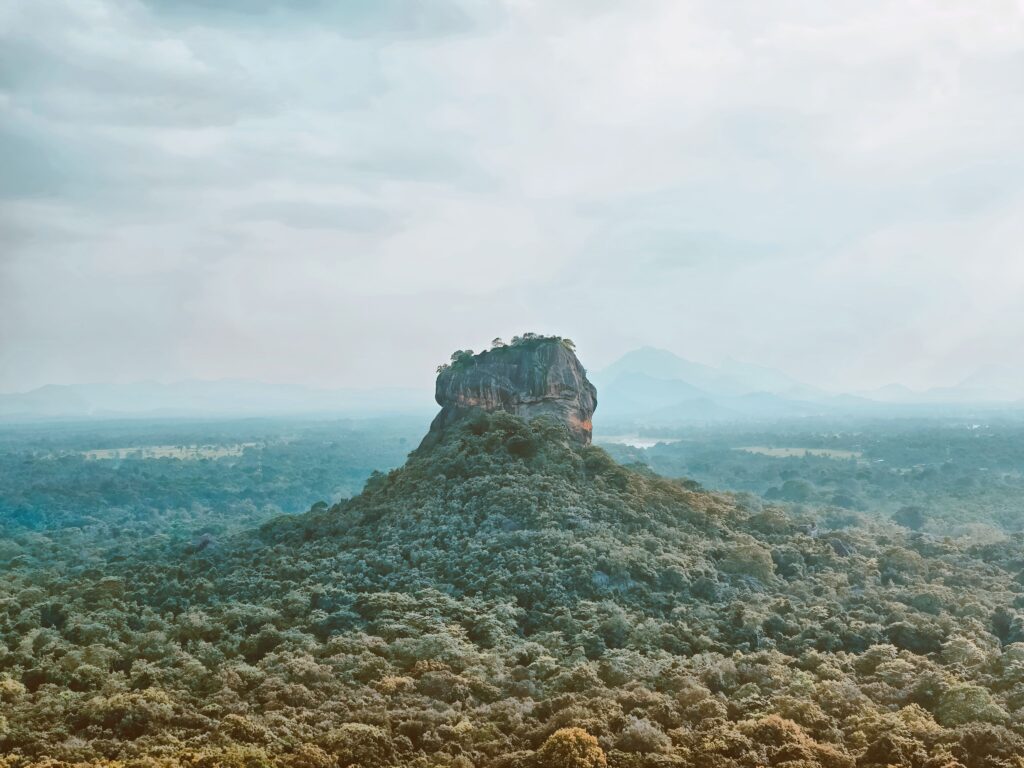
It depends on what kind of traveler you are and your priorities. The ideal time to visit Sri Lanka is 12–14 days — 10 if you’re happy to move daily, or 14 if you want a few slower stops. If you only have a week, focus on the Cultural Triangle (Sigiriya, Dambulla, Polonnaruwa) with Kandy and Ella, or plan a beach trip with a day visit to Ella or one of the national parks.
The perfect Sri Lanka itinerary
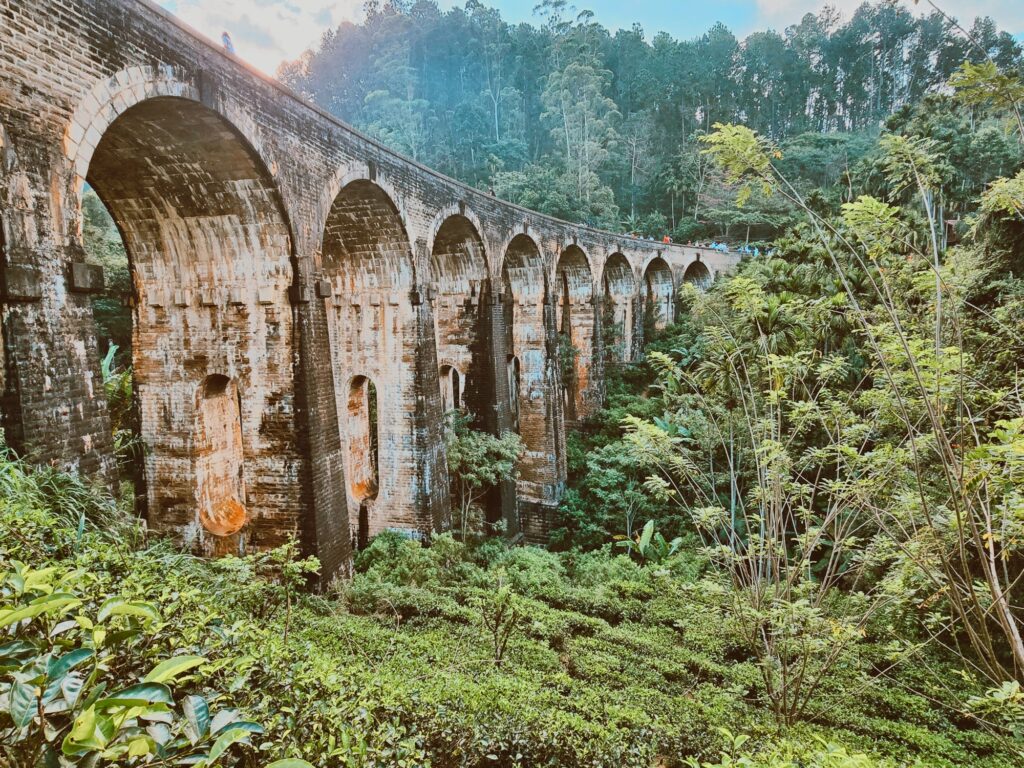
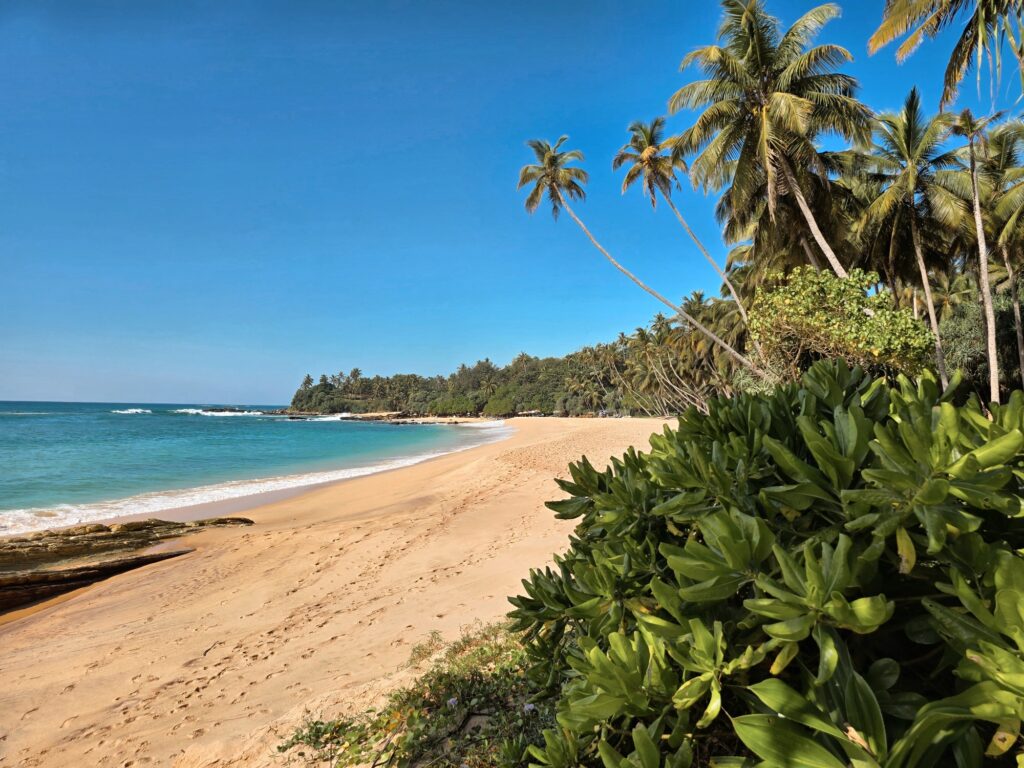
The classic Sri Lanka itinerary includes Sigiriya, Kandy, Ella, Yala National Park, and coastal towns like Mirissa or Galle. After traveling Sri Lanka by tuk tuk twice, I can say that all the key “must-visit” spots are doable in 10 days — especially if you’re not a surfer. The beaches are beautiful, but the sea is often rough, so it’s not a typical calm, turquoise beach destination. Check out our 10-day itinerary and decide what is — and isn’t — your cup of tea.
Where to stay in Sri Lanka
If you’re doing a road trip, you’ll change locations often. On a tight schedule with a fixed route, book your rooms in advance (many offer free cancellation). A more adventurous approach is to pre-book just the first night and go with the flow. Hundreds of rooms are available (starting as low as 10€), even in high season, and you can usually book a day ahead. I recommend a mobile data package via Airalo (code ANDA5890 for 3€ off) for flexibility. I’ve written a separate post on all the hotels we stayed at in Sri Lanka.
Food, restaurants, and grocery shopping
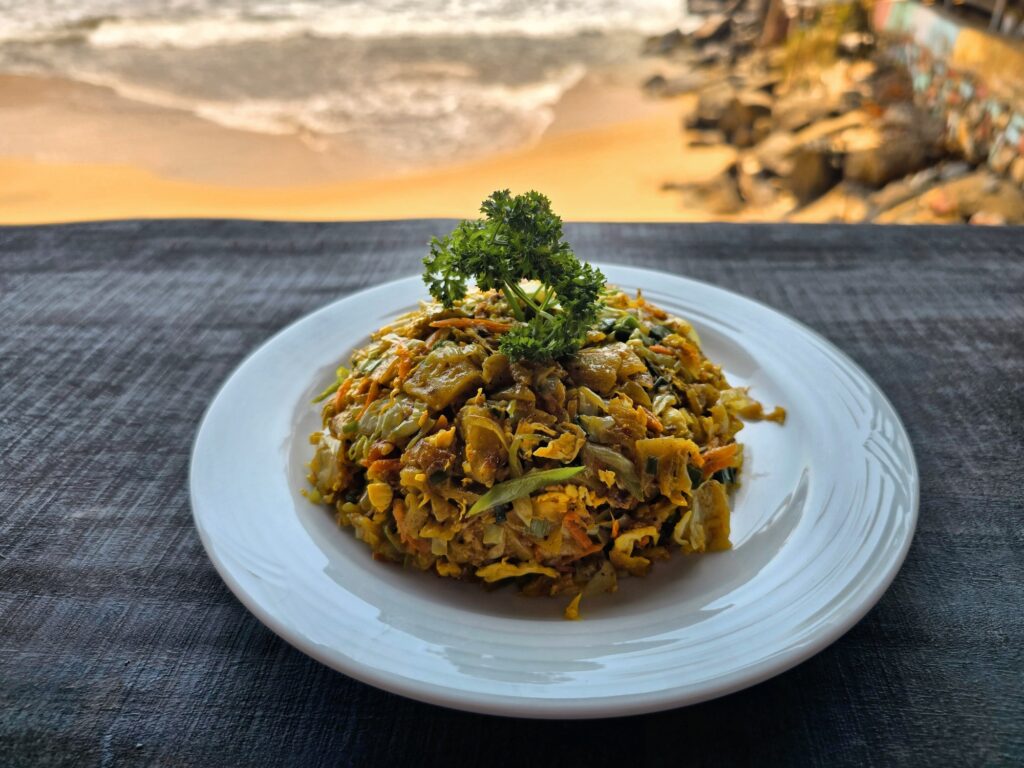
Instead of falling in love with Sri Lanka, I fell for the cuisine — that’s also one of the reasons we came back. It’s similar to Indian food but with unique local dishes like kottu and Sri Lankan curry. If you enjoy tasting local food, you’ll eat like a king for very little money. We had meals in small “cafés” for under 3€, with generous portions. Restaurants serving international cuisine are more common in bigger cities, where prices are closer to Western standards but still lower. Soft drinks are cheap, and a bottle of local beer costs under 3€.
Groceries are available everywhere, though mostly packed with basic items. Quality wholegrain bread, yogurt, and other healthy foods are harder to find. On the bright side, tropical fruits and vegetables are abundant — it’s a vegan’s paradise.
Safety
While Sri Lanka has had its share of political instability, leading to violent protests and even terrorist attacks, the situation has improved in recent years. However, the country is in a very poor condition, with an average monthly income of around 270 $ per capita. Petty crime can occur in tourist areas (we couldn’t get rid of the feeling that we needed to be careful with daily cash scams), but violent crime is rare.
Speaking of safety in traffic, Sri Lanka can be a tough cookie. If you’re self-driving, be constantly aware of other drivers and animals on the road, especially dogs. In areas around national parks, even elephants sometimes roam free, and no matter how friendly they seem, do NOT get out of the car. I’ve covered more about Sri Lankan road safety in our tuk-tuk adventure.
Another thing that happened to us in 2026: monkeys. Everyone warned us to “watch for the monkeys,” but we didn’t think they’d actually steal from a covered tuk-tuk — until they did. It can get really unpleasant in some areas. They usually go for canned or closed items, like my sunglasses case, since those are harder to open. Do be careful.
People and culture
A local at tuktukrental.com greeted us with, “I’m the only honest Sri Lankan you’ll meet on this trip.” Perhaps that’s why we were cautious, but there’s some truth to it. Most hosts were kind and helpful, though occasionally we encountered people trying to cheat us, or we were just frustrated by the limited English. Even simple phrases like “eggs” or “cooked” sometimes caused confusion. Hint: translation apps can help.
Overall, Sri Lanka is friendly and safe, even for solo travelers. Hostels and backpacker spots make it easy to meet people. In rural areas, dress modestly — locals tend to be covered for sun and cultural reasons, so this helps avoid stares or discomfort. On the other hand, covering your legs and shoulders in temples is a must.
Stray dogs
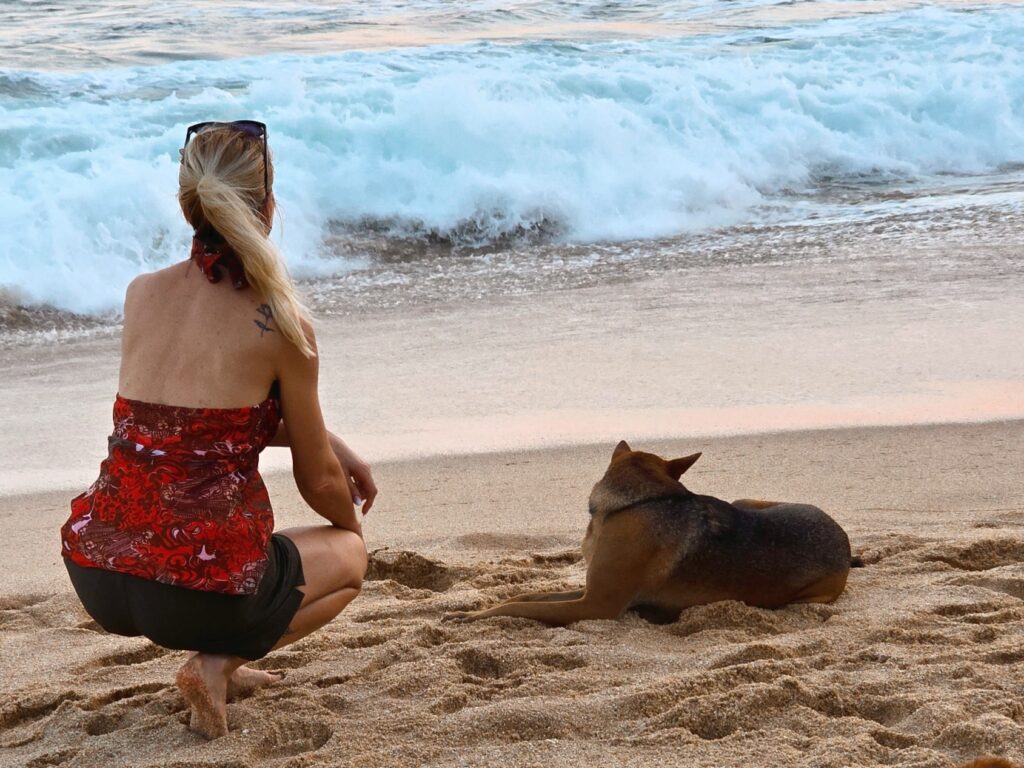
As an animal lover, I can’t finish this post without saying a few words about Sri Lankan (stray) dogs. There are hundreds of dogs walking and even lying on the roads, so be careful when driving. I’ve seen many dogs with hurt legs. Some of them are half-starving (luckily, the situation is still better than in Indonesia), so be kind and give them a piece of non-spicy food, if possible. Buy some dog food in stores and always carry something in your pocket.
Other useful tips for Sri Lanka first-timers:
- Always carry cash (ATMs are at the airport and in most towns)
- Don’t drink tap water
- Pack layers for Ella and Nuwara Eliya (mornings ARE chilly)
- Don’t feed the monkeys, touch the animals, or step on snakes
- Buy a wireless mobile data package via Airalo (use code ANDA5890 to get a 3€ discount)
- Wear sunscreen, especially on the coast, as the sun is freakin’ hot. Take SunDoc capsules for additional UV protection (use ANDA10 for 10% discount).
- Vaccination is not necessary, but mosquitoes are everywhere, so buy a repellent (local ones are usually more effective)
- Take probiotics with you just in case (use ANDA10 for 10% discount)
- Ask for non-spicy dishes if you have a problem with digestion
- See more Sri Lanka highlights and photos in my Instagram account (followers welcome)
Bottom line: Is Sri Lanka worth the visit?
If you like Asian culture, delicious tropical fruits, Indian-influenced cuisine, rich history, diverse culture, beautiful nature, endless beaches, and exotic wildlife, Sri Lanka is absolutely worth visiting. We were fascinated by its diverse landscape with plenty of hills (it’s not a usual tropical flat island), and the local food. But I have to admit, it wouldn’t be half as fun if we hadn’t rented a tuk-tuk.